Key points
- Set a station flat against a wall or in a corner where droppings or gnaw marks show up.
- For house mice, UNL Extension spaces bait stations no more than 12 feet apart.
- Outdoors only if the label allows it, and then within 50 feet of a building.
- The label is the law: where it says a station may go decides the spot.
Start with the label, not the floor plan
Every pesticide label carries the same sentence: it is a violation of Federal law to use the product in a manner inconsistent with its labeling. EPA sums it up in five words: the label is the law. Behind those words sit plain conditions about who may use the product, where, how much and how often.
So before you pick a corner, read where the bag or box says the station may be used. Two stations that look alike can carry different rules. One may be cleared for a garage or the outside wall of the house, while the other is meant for indoor rooms only. Printed matter that comes with the product counts as labeling too, so keep the insert with the bag.
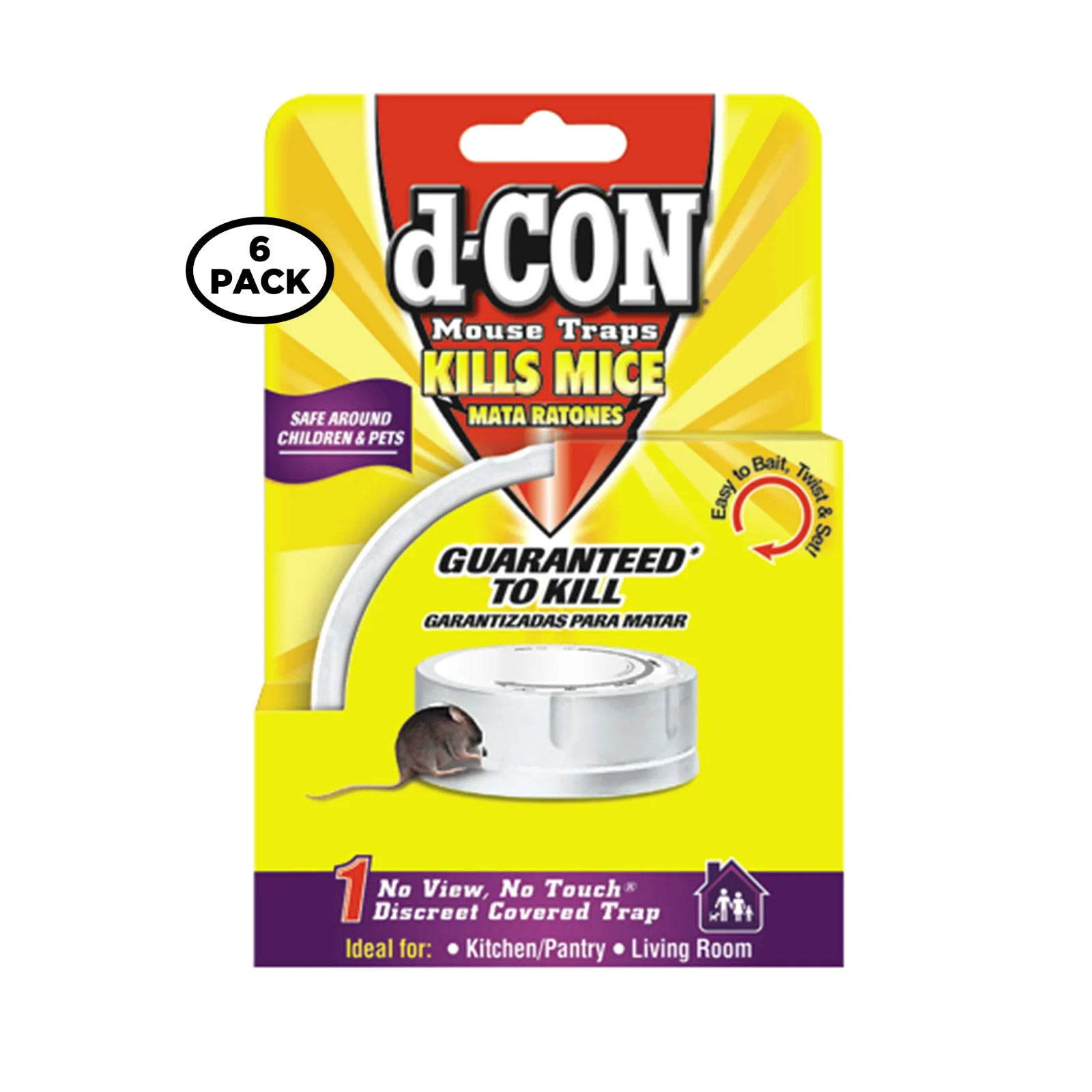
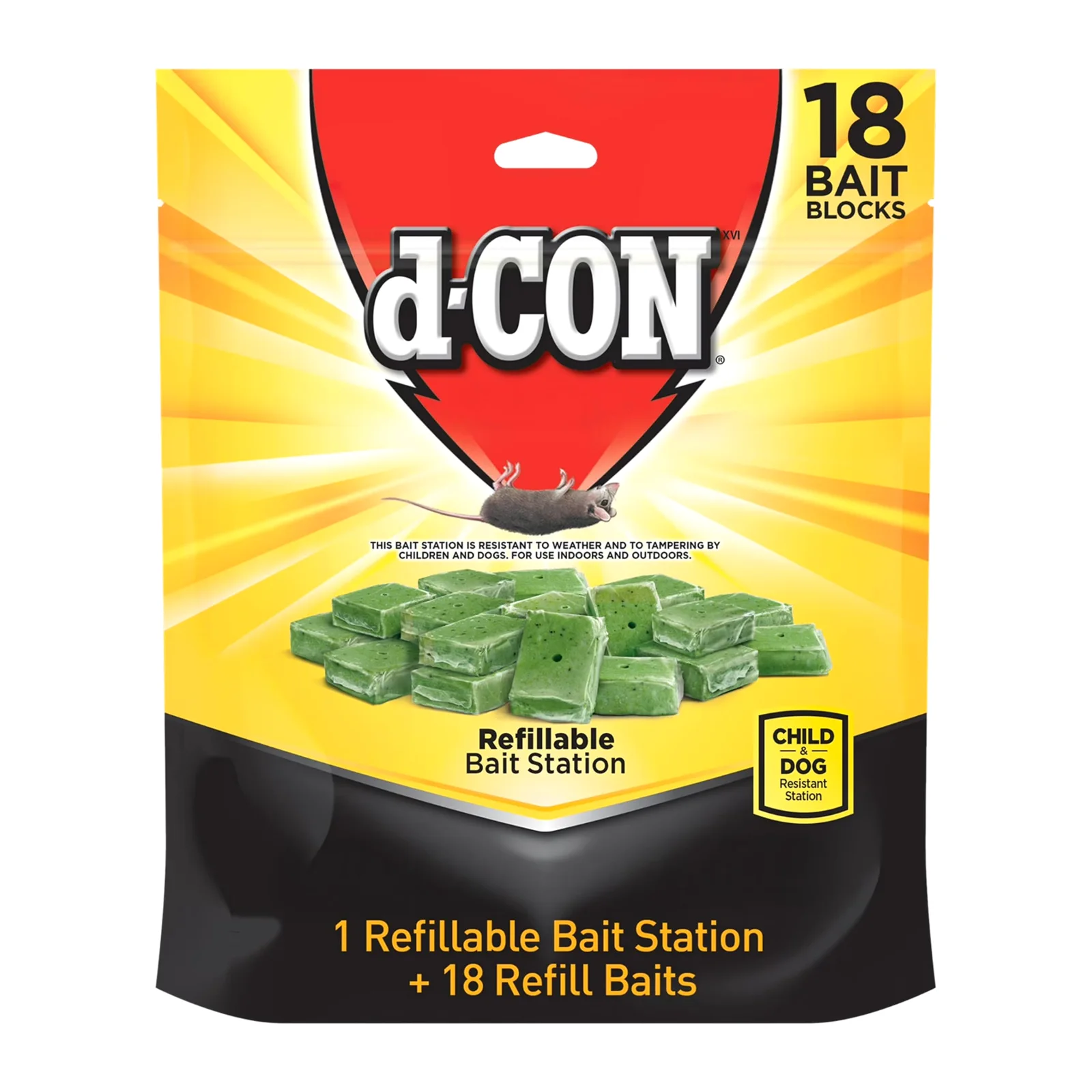
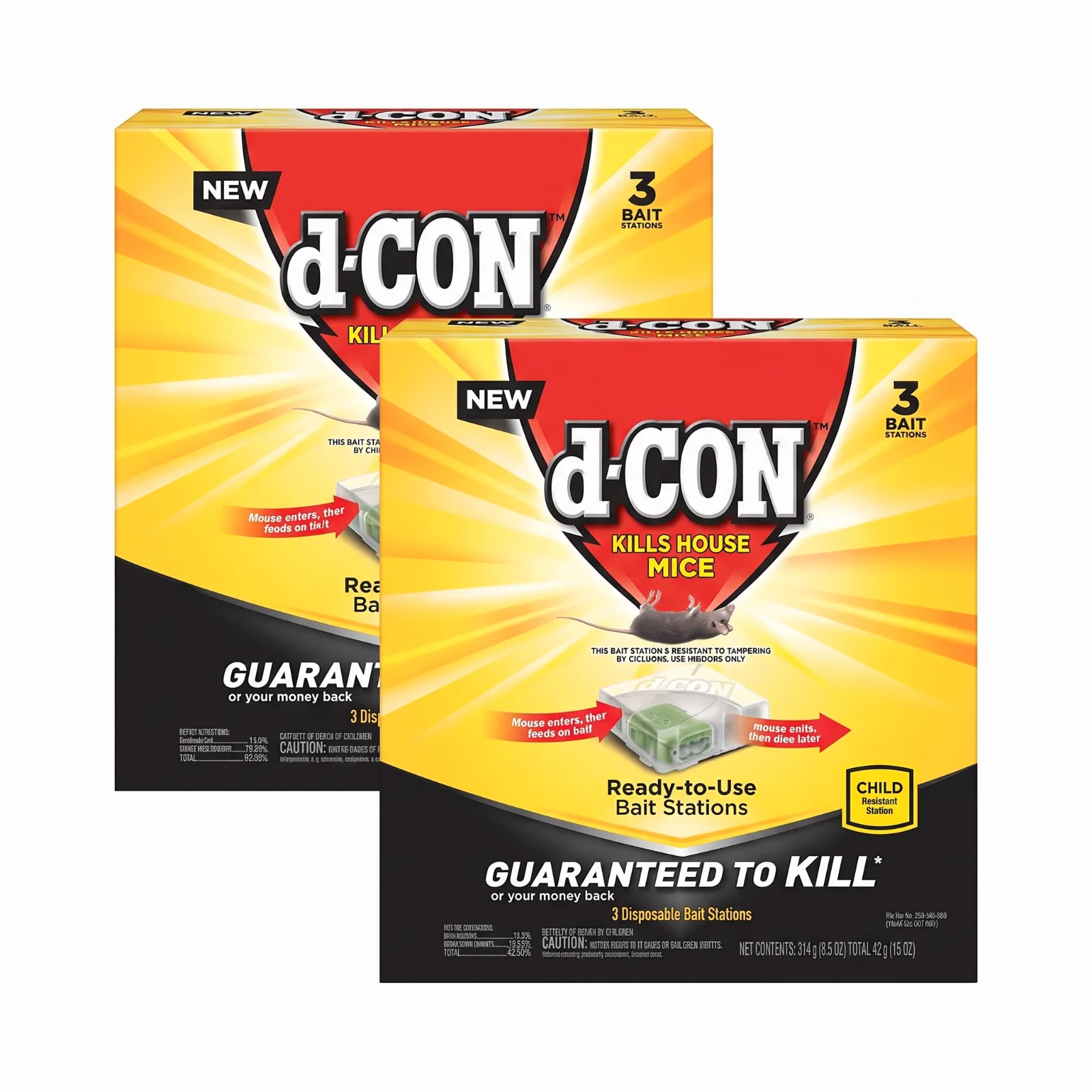
Our catalog carries two kinds of d-CON station, and both sit on the mouse bait stations shelf. The refillable Corner Fit station is kept and reloaded with bait blocks. Its disposable cousin comes filled and goes in the trash whole once its bait is used up.
What the four EPA tiers mean for your corner
EPA sorts household bait stations into four tiers by what each was shown to resist. The tier explains why one station may stand by the garage door and another may not leave the pantry. Each product label states where that product may be used.
Rules for consumer bait stations grew stricter starting June 4, 2011, UNL Extension notes, and that is when the four tiers were set. Under the EPA definition it cites, a tamper-resistant station has to resist dogs and children under 6 and be anchored when it is used. How that applies to the station in your hand is on its label.
- Tier 1 stations resist young children, dogs and weather. They may be used indoors and outdoors within 50 feet of buildings.
- Tier 2 stations resist young children and dogs, but they are for indoor use only.
- Tier 3 stations resist young children and belong in indoor areas that pets cannot reach.
- Tier 4 stations are for indoor areas that neither children nor pets can reach.
Along the walls, where the droppings are
Mice run along walls rather than across open floor. UC IPM sets traps close to walls, behind objects and where droppings turn up, and UNL Extension places bait stations the same way: against walls, along travel routes, wherever rodent activity shows. A station in the middle of the kitchen floor sits off the route. Pushed into the corner beside the fridge, it sits right on it.
The d-CON Corner Fit stations are shaped for that spot. One side is square, so a station sits flush in a corner or tight against a baseboard. The refillable model has an entry hole on each side, which lets a mouse coming from either direction walk straight in.
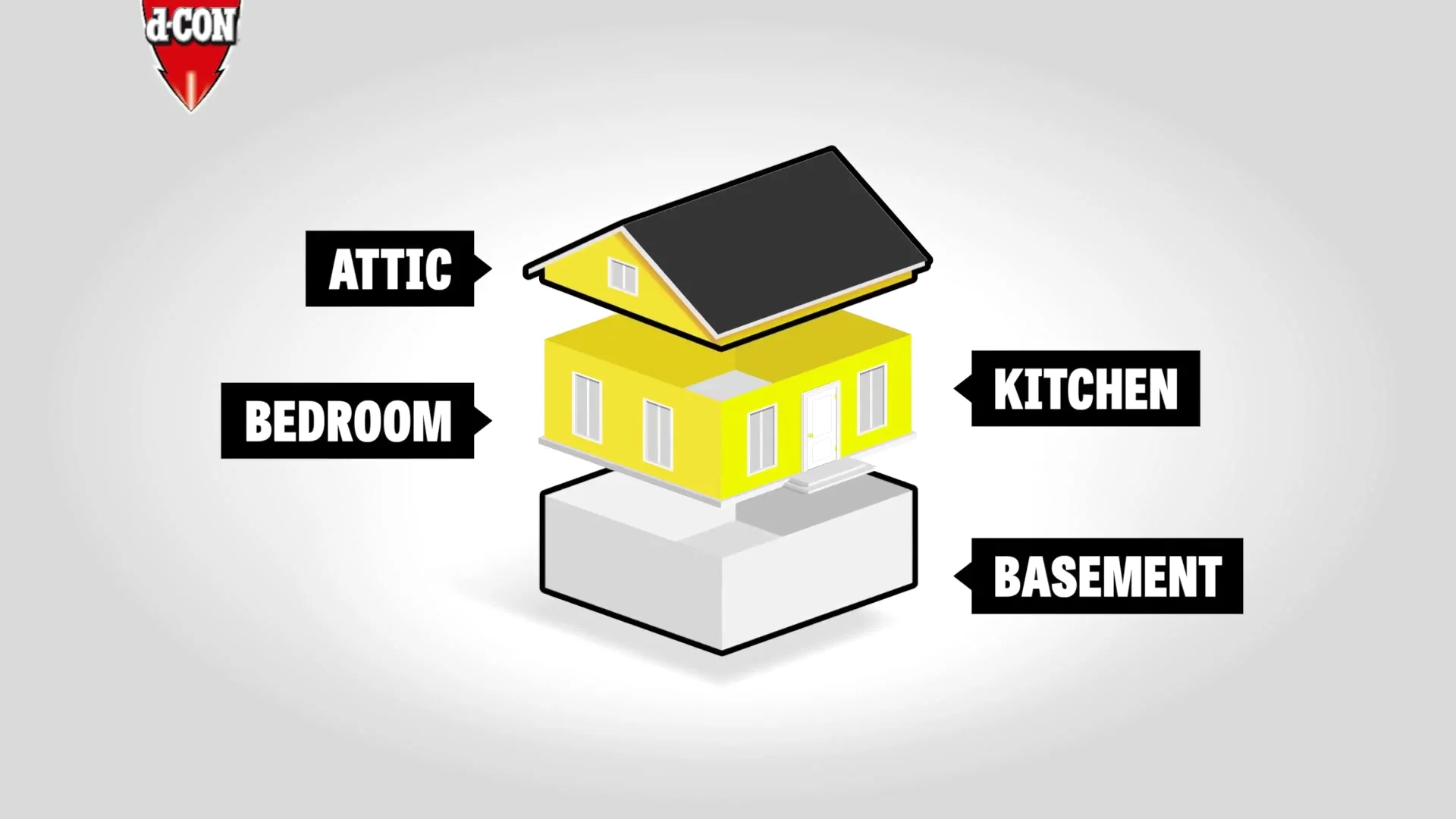
Let the signs choose the room. Fresh droppings, gnaw marks on a box and shredded nesting material mark the path a mouse uses every night. Attics, basements, garages and the space behind appliances are common spots, and a station belongs wherever those signs cluster.
How far apart to set them
A house mouse seldom travels more than 30 feet from its nest and food, UC IPM says. Because the range is short, the spacing has to be short too. UNL Extension sets bait stations for house mice no more than 12 feet apart. For snap traps UC IPM goes closer still, at no more than about 10 feet.
In practice that means more than one station per problem area. A long kitchen wall with droppings at both ends calls for a station at each end. Even in a small house, a kitchen and a garage are separate territories, each with its own station. Rats are a different case, with wider spacing, and the d-CON stations in our catalog are made for house mice.
| What | Distance | Source |
|---|---|---|
| How far a house mouse ranges from nest and food | Seldom more than 30 feet | UC IPM |
| Snap traps for house mice | No more than about 10 feet apart | UC IPM |
| Bait stations for house mice | No more than 12 feet apart | UNL Extension |
| Bait stations for Norway rats | 15 to 50 feet apart | UNL Extension |
The d-CON stations in our catalog are for house mice.
Indoors, outdoors and the 50 foot line
EPA ties outdoor use to weather resistance. A station shown to resist young children, dogs and weather may be labeled for indoors and for outdoors within 50 feet of buildings. Without that weather resistance, a station stays indoors. Even with it, the outdoor zone ends 50 feet from the building.
The package of the d-CON refillable Corner Fit station describes it as weather resistant for indoor or outdoor use. A garage, a shed or the outside of the foundation can therefore be on its list. Its bag also reads "child and dog resistant". Placement out of reach still matters wherever it sits, because a station that resists children and dogs is not a station they can never open. For the disposable Corner Fit station, read its own label before you set one outside the house.
Caution
- Away from any place a child or a pet can reach, even when the package says child and dog resistant.
- Not next to food, dishes, pet food or a pet bowl.
- Outdoors only when the label allows it, and no farther than 50 feet from a building.
- Never as a loose block on the floor: consumer bait has to stay inside its station.
Setting, checking and refilling
Set the station flat, then check it daily at first, as UNL Extension advises. A visited station shows it. The bait block gets smaller, and on the disposable model the clear cover shows how much bait is left without opening anything. If the bait stays untouched while fresh droppings appear elsewhere, move the station to where the signs are.
When the block in a refillable station is gone, pull out the cartridge and push in a new block until it clicks. Each refillable station pack comes with 12 to 36 blocks, and the unused ones stay in the closed bag, away from children and pets. EPA allows a refillable station to be packaged with up to one pound of refill bait.
A single-use station is thrown away whole once its bait is eaten or spoiled, as its label directs. Sealing the entry holes is still the step that ends the visits, since a gap of 1/4 inch is enough for a mouse. Where those gaps hide is covered in our guide on signs of mice in your house.
Keep a short note of where each station sits. A station forgotten behind the washer or at the back of a closet is still bait in the house. With the note, collecting every one when the signs stop takes a few minutes.
| Product | What it is | From | Buy |
|---|---|---|---|
| Refillable Corner Fit Mouse Bait Station | A reusable bait station with refill blocks in the box | $0.75 per refill |  |
| Disposable Corner Fit Mouse Bait Station | A sealed station already filled with bait | $2.52 per station | |
Every product named here is part of the d-CON lineup.